Tag: Low water needs
-
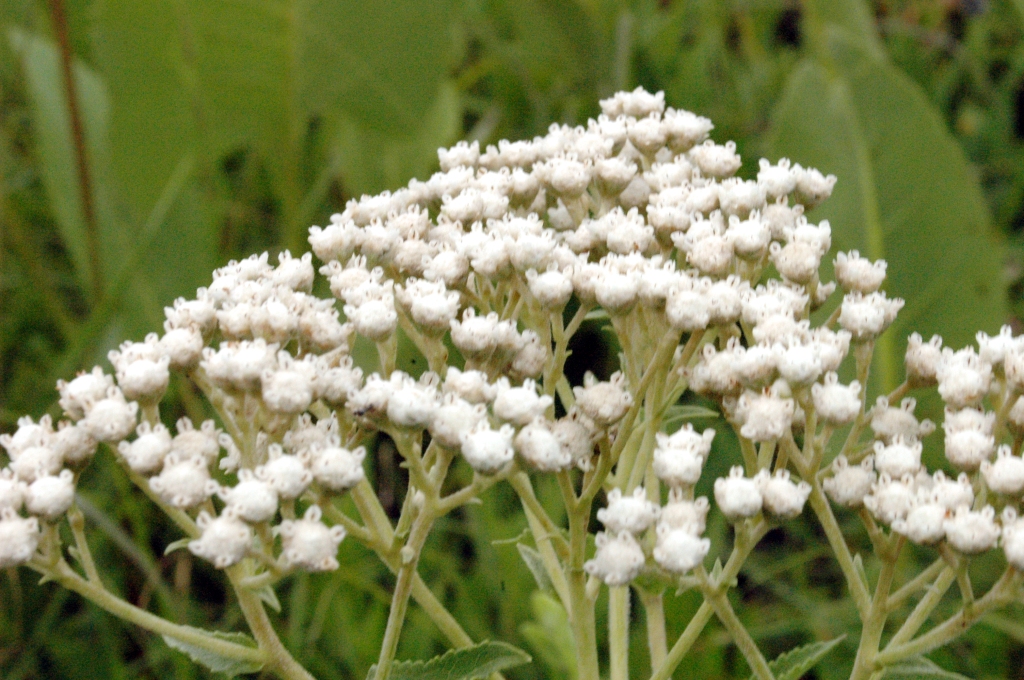
Plant Profile: Wild Quinine (Parthenium integrifolium)
Wild Quinine gets its name from its use during World War I as a treatment for malaria. This is a lovely plant for any garden due to its resistance to most diseases and insects and its long bloom period. It is drought tolerant and popular with many pollinators, especially bees. Read more
-

Plant Profile: Southern Bush Honeysuckle (Diervilla sessilifolia)
Don’t confuse Southern Bush Honeysuckle with the highly invasive non-native Lonicera japonica, which goes by a similar name. Southern Bush Honeysuckle is a native plant that is great for dry, sunny sites and will grow to form a small hedge. It is so named because the flowers closely resemble non-native honeysuckle flowers. Read more
-

Plant Profile: Purple Coneflower (Echinacea purpurea)
Purple Coneflower is undoubtedly one of the most popular and most frequently sold native plants. Purple Coneflower is drought-, heat-, humidity-, and deer-resistant and even has some tolerance to salt. It’s extremely easy to grow from seed and is a profuse bloomer, making it a great plant for beginners. Read more
-

Plant Profile: Redring Milkweed (Asclepias variegata)
The flowers of this milkweed crowd together in balls, creating a snowball effect that is especially stunning when plants are grouped in masses. This milkweed is not a preferred food source for Monarch caterpillars, but it still produces abundant nectar, making it a great pollinator-supporting plant to have in your garden. Read more
-
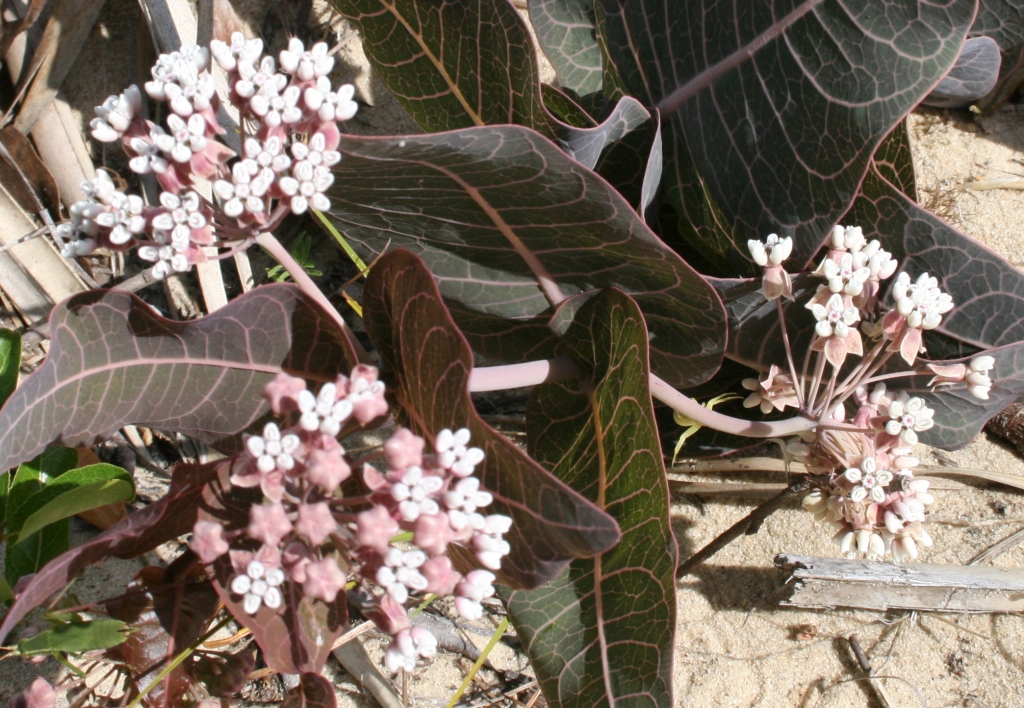
Plant Profile: Sandhill Milkweed (Asclepias humistrata)
Also known as Pinewoods Milkweed, Sandhill Milkweed is a unique species that tends to sprawl along the ground and prefers growing in sandy soils or dry pine barrens. Alongside its pretty blooms, this milkweed has interesting leaves that turn almost purple as they age and bear pink to lavender veins. Read more
-

Plant Profile: Green Milkweed (Asclepias viridis)
This milkweed has an otherworldly beauty that makes it a stunning and unique addition to a native plant garden. It’s relatively small and not an aggressive spreader, making it great for smaller yards. It’s extremely drought tolerant thanks to its deep taproot and blooms early in the summer, helping out early-migrating Monarchs. Read more
 Southeastern Native Plants