Tag: Larval host
-
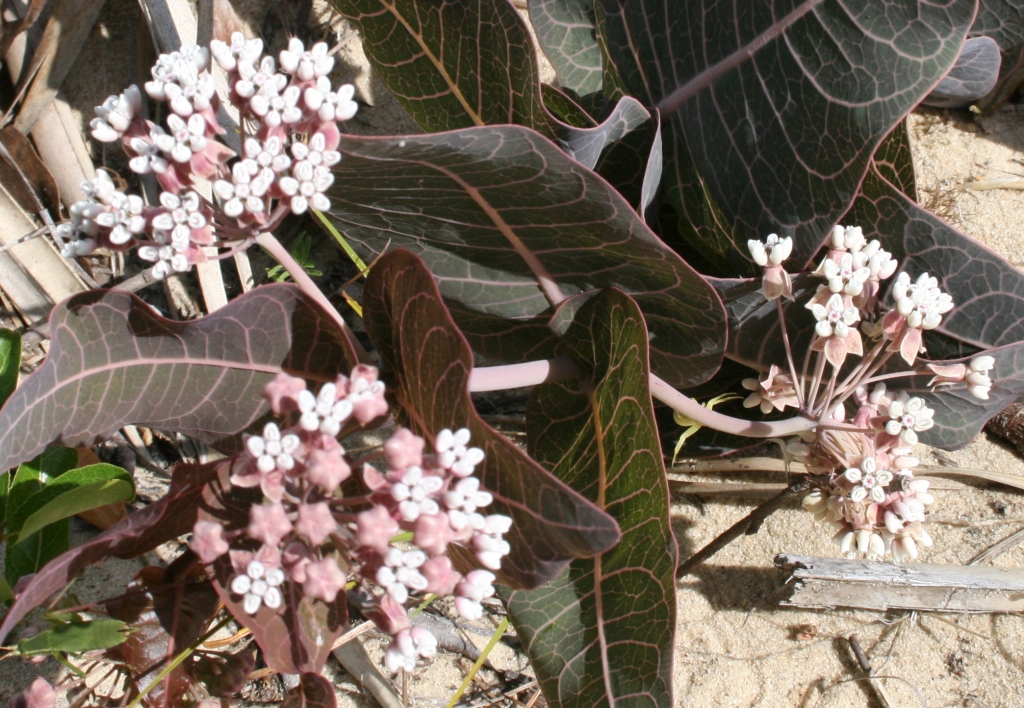
Plant Profile: Sandhill Milkweed (Asclepias humistrata)
Also known as Pinewoods Milkweed, Sandhill Milkweed is a unique species that tends to sprawl along the ground and prefers growing in sandy soils or dry pine barrens. Alongside its pretty blooms, this milkweed has interesting leaves that turn almost purple as they age and bear pink to lavender veins. Read more
-

Plant Profile: Swamp Milkweed (Asclepias incarnata)
This incredibly showy milkweed is a great choice for a rain garden due to its preference for wet conditions. It’s large pink blooms are said to have a scent similar to cinnamon and are beloved by all types of pollinators and even the occasional hummingbird. Compared to other milkweed species, Swamp Milkweed seems to be… Read more
-

Plant Profile: Green Milkweed (Asclepias viridis)
This milkweed has an otherworldly beauty that makes it a stunning and unique addition to a native plant garden. It’s relatively small and not an aggressive spreader, making it great for smaller yards. It’s extremely drought tolerant thanks to its deep taproot and blooms early in the summer, helping out early-migrating Monarchs. Read more
-

Plant Profile: Poke Milkweed (Asclepias exaltata)
Poke Milkweed is unique among milkweed species for loving the shade. The flowers droop away from the stem, giving it an unique, delicate appearance. This is one of the taller milkweed species, topping out at 5 feet, and also a great milkweed for smaller yards because it does not spread aggressively. Read more
-

Plant Profile: Clasping Milkweed (Asclepias amplexicaulis)
Clasping Milkweed gets its name from the way the leaves wrap around or “clasp” the stem. It is extremely drought tolerant and adapted to very dry sites, thanks to its thick waxy leaves that help preserve moisture. It is an uncommon milkweed that is even considered threatened in some states. Read more
-

Plant Profile: Whorled Milkweed (Asclepias verticillata)
Whorled milkweed has slender, delicate looking leaves that appear in whorls, giving this milkweed its name. It continues blooming relatively late into the fall compared to other milkweed species, making this an important food source for late migrating monarchs. It is drought tolerant and resistant to rabbits and deer. Read more
 Southeastern Native Plants