Tag: gardening
-
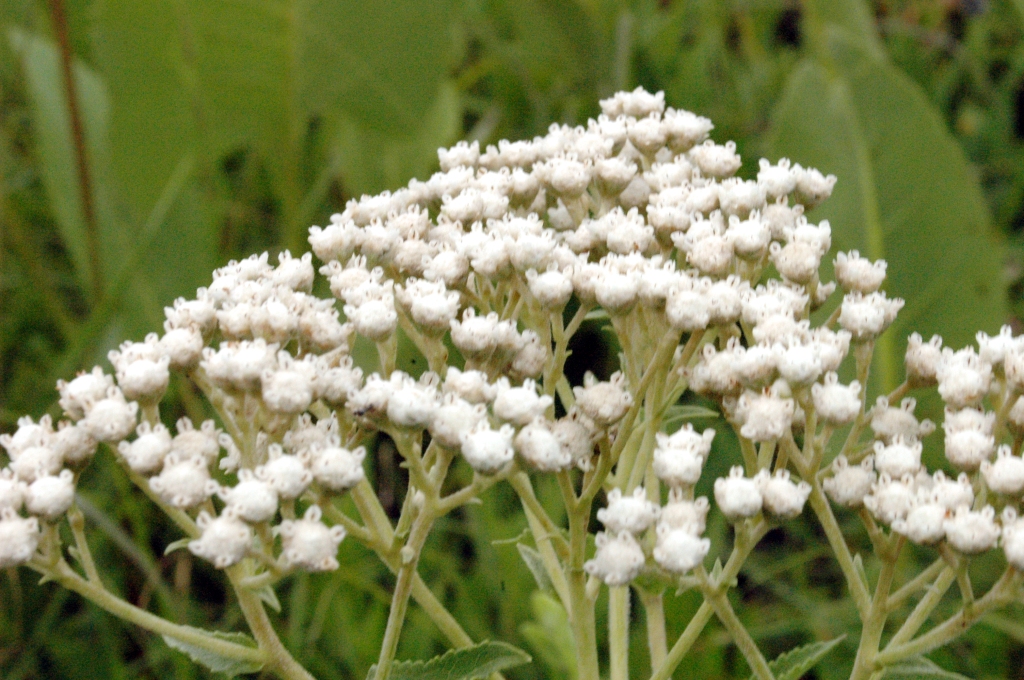
Plant Profile: Wild Quinine (Parthenium integrifolium)
Wild Quinine gets its name from its use during World War I as a treatment for malaria. This is a lovely plant for any garden due to its resistance to most diseases and insects and its long bloom period. It is drought tolerant and popular with many pollinators, especially bees. Read more
-

Plant Profile: Southern Bush Honeysuckle (Diervilla sessilifolia)
Don’t confuse Southern Bush Honeysuckle with the highly invasive non-native Lonicera japonica, which goes by a similar name. Southern Bush Honeysuckle is a native plant that is great for dry, sunny sites and will grow to form a small hedge. It is so named because the flowers closely resemble non-native honeysuckle flowers. Read more
-

Plant Profile: Purple Coneflower (Echinacea purpurea)
Purple Coneflower is undoubtedly one of the most popular and most frequently sold native plants. Purple Coneflower is drought-, heat-, humidity-, and deer-resistant and even has some tolerance to salt. It’s extremely easy to grow from seed and is a profuse bloomer, making it a great plant for beginners. Read more
-

Monarchs in Crisis: 9 Native Milkweeds You Can Plant to Help
Monarchs had their second worst year on record this past fall. As their population declines due to habitat loss, increased pesticide use, and climate change, the best thing we can do to help is plant native milkweeds in our yard. Here are 9 milkweed species native to the Southeast that you can plant right now. Read more
-

Plant Profile: Redring Milkweed (Asclepias variegata)
The flowers of this milkweed crowd together in balls, creating a snowball effect that is especially stunning when plants are grouped in masses. This milkweed is not a preferred food source for Monarch caterpillars, but it still produces abundant nectar, making it a great pollinator-supporting plant to have in your garden. Read more
-
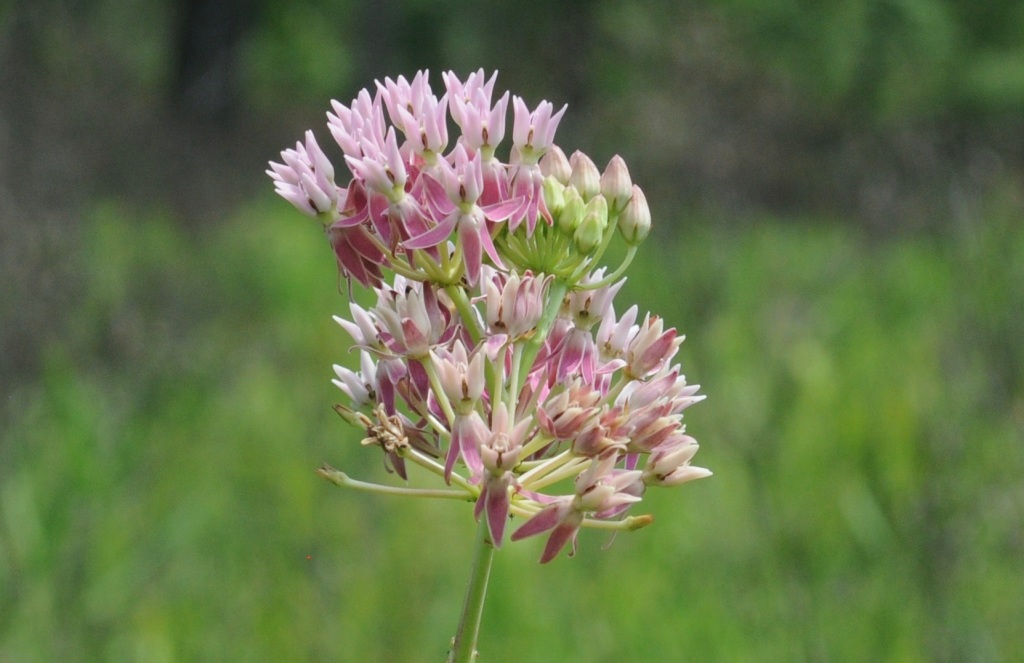
Plant Profile: Red Milkweed (Asclepias rubra)
Despite its name, Red Milkweed actually has pink blooms. It grows in swampy areas and would be a good choice for a bog garden, especially since it is not drought tolerant. This milkweed is somewhat rare in the wild and only has populations in Texas, Mississippi, Florida, and South and North Carolina. Read more
 Southeastern Native Plants