Tag: gardening
-

Plant Profile: Northern Bush Honeysuckle (Diervilla lonicera)
While Northern Bush Honeysuckle is primarily native to the Northeast and Midwest United States, parts of its range do extend into Virginia, Tennessee, North Carolina, and Georgia. This small shrub has good fall color and and looks particularly stunning when grouped in masses or used as a shrub border. Read more
-

Plant Profile: Wild Potato Vine (Ipomoea pandurata)
This plant gets its name from the fact that the tuber-like roots are edible and similar to potatoes. This is a great native substitute for non-native morning glories, but like most morning glories, it spreads aggressively and can be difficult to eradicate once established. The flowers are popular with bees and hummingbirds. Read more
-
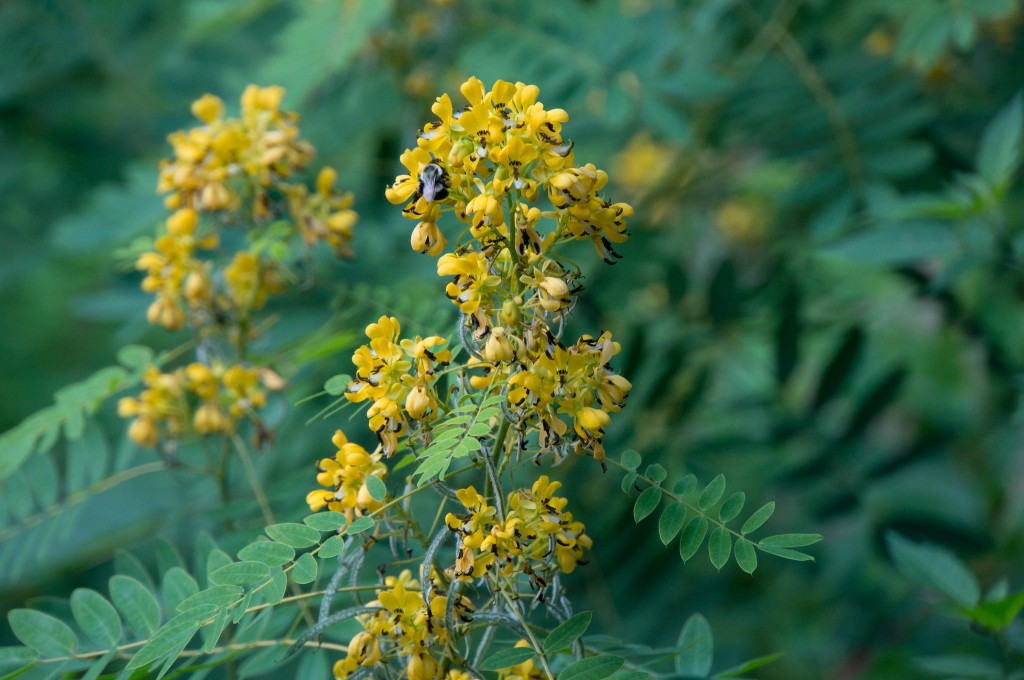
Plant Profile: American Senna (Senna hebecarpa)
American Senna is a large shrub-like plant that is perfect for rain gardens due to its resistance to occasional flooding and preference for moist soil. It’s also a great choice for windy areas or for use as a hedge because its horizontal root system makes it resistant to being blown over. Read more
-

Plant Profile: Pale Purple Coneflower (Echinacea pallida)
Pale Purple Coneflower has thinner petals, grows shorter, and is much paler in color than Purple Coneflower. It is highly adaptable to most soils as long as they are well drained, and tolerates heat, drought, and humidity. This is a prairie plant and looks good when allowed to spread and planted among grasses. Read more
-
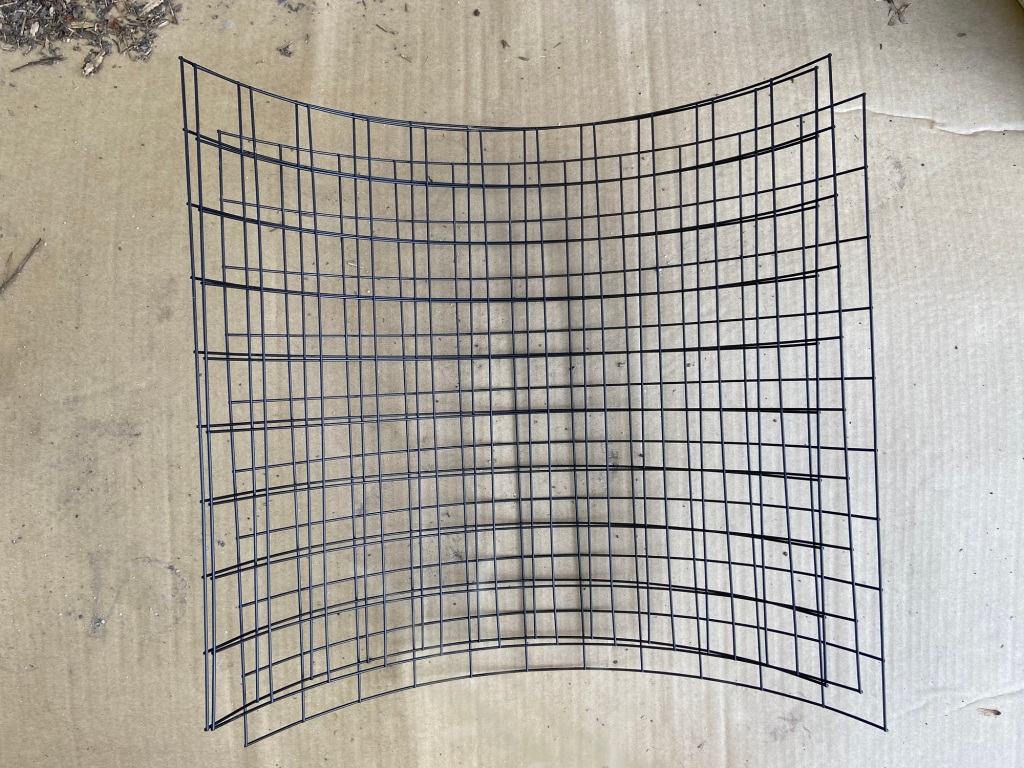
Review: Keten 5 Pack Plant Protectors on Amazon
While cages are not required to grow healthy plants, if you have trouble with small animals they can help prevent damage. These plant protecting cages are sturdy, affordable, easy to assemble, and can be customized to your size needs, making them a great option for protecting everything from saplings to seedlings. Read more
-
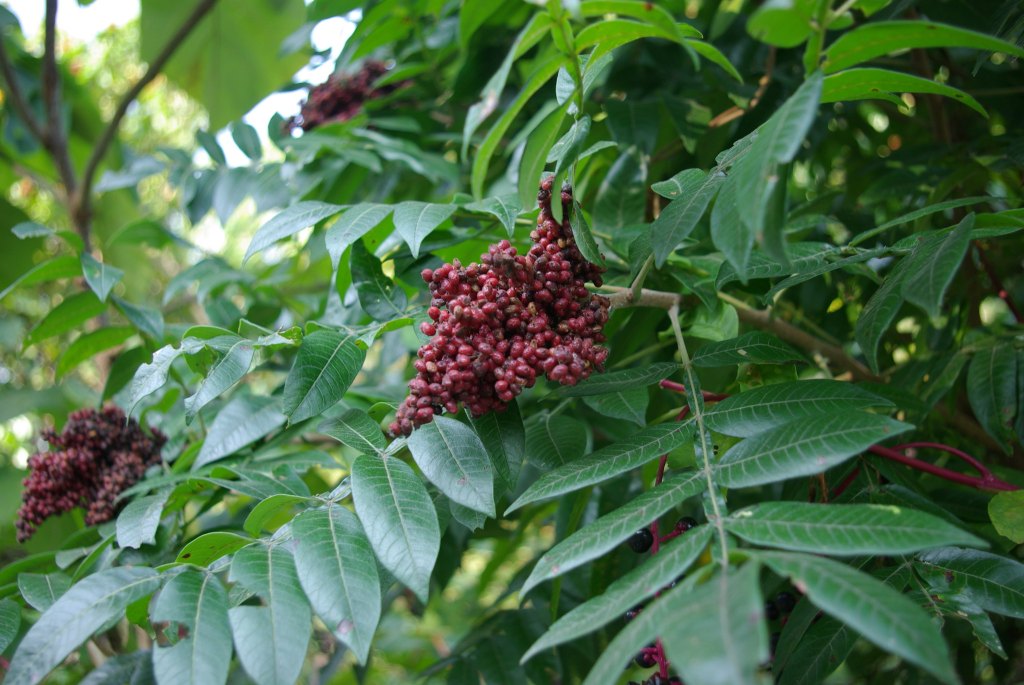
Plant Profile: Dwarf Sumac (Rhus copallinum)
Dwarf Sumac is also known as Winged Sumac due to its unique winged leaf axis. It makes a great ornamental plant due to its bright red leaves in fall and berries that persist into winter. The flowers are popular with bees and butterflies, and the berries are popular with birds. Read more
 Southeastern Native Plants