Tag: gardening
-
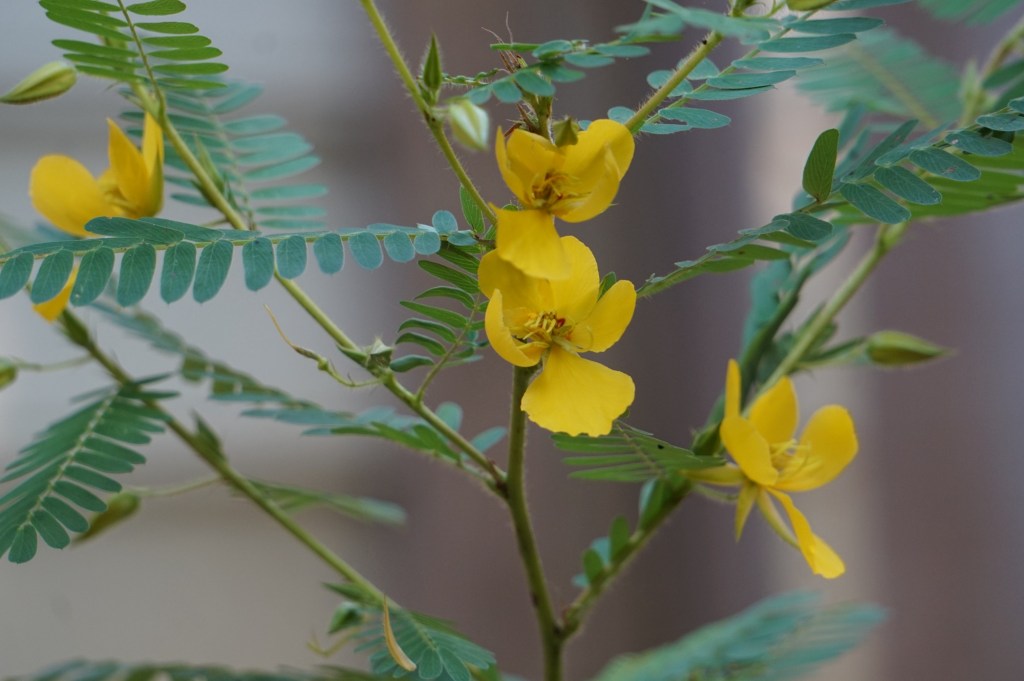
Plant Profile: Partridge Pea (Chamaecrista fasciculata)
Partridge pea is an annual with cheery yellow flowers that spreads readily by seed. It’s a popular plant with bees, butterflies, and birds and a larval host for 3 species of butterflies. The leaves close up in the afternoon and when touched, so it is also known as sensitive plant. Read more
-

Plant Profile: Trumpet Vine (Campsis radicans)
While trumpet vine is an often much maligned native due to its aggressive spread, it is also easy to grow and a hummingbird magnet! It’s a great choice if you have a large property where it can spread unimpeded or a strong fence or power pole where it can climb. Read more
-
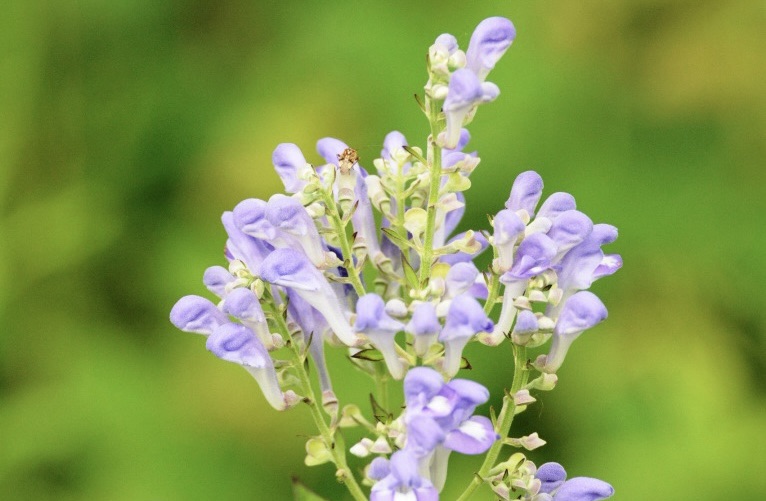
Plant Profile: Downy Skullcap (Scutellaria incana)
The name skullcap comes from the skull or helmet shaped flowers, which are particularly popular with bumblebees. This is one of the showiest plants in the genus and, like other members of the mint family, it has square stems and can form tightly packed colonies. Read more
-

Plant Profile: Prairie Coneflower (Ratibida pinnata)
Prairie coneflower tolerates a wide range of soil conditions as well as heat and drought. This flower looks great massed in borders or in the back of a garden due to its height. This cheery addition to your yard is popular with both bees and butterflies and the seed heads are popular with birds. Read more
-

Plant Profile: Appalachian Bellflower (Campanula divaricata)
Unsurprisingly, Appalachian Bellflower is most often found growing in the Appalachian Mountains. It prefers rocky soils that tend to be dry and favors sloping, open woodlands and rocky outcrops. The blue flowers are extremely small but bloom in large quantities, which makes for a striking display. It is drought tolerant. Read more
-

What are Keystone Species?
You cannot research native plants without running into the term “keystone species” on almost every page. But what are keystone species? “Keystone Species” is a term popularized by Dr. Doug Tallamy, an entomologist and the author of “Nature’s Best Hope” and “Bringing Nature Home.” Read more
 Southeastern Native Plants