Category: Plant Profiles
-

Plant Profile: Wild Blue Indigo (Baptisia australis)
Wild Blue Indigo is not a true indigo, but it was often used as a substitute to make blue dye. This is great plant for dry and sunny sites. It is slow growing and low maintenance, and also sports large, interesting seed pods that rattle and persist throughout winter. Read more
-

Plant Profile: Sparkleberry (Vaccinium arboreum)
Sparkleberry is a wonderful addition to any southern garden. In spring it is covered in fragrant, delicate, bell-shaped flowers, which give way to shiny black berries that wildlife love. It is well adapted to drought, heat, and humidity and supports a huge number of pollinators. Read more
-
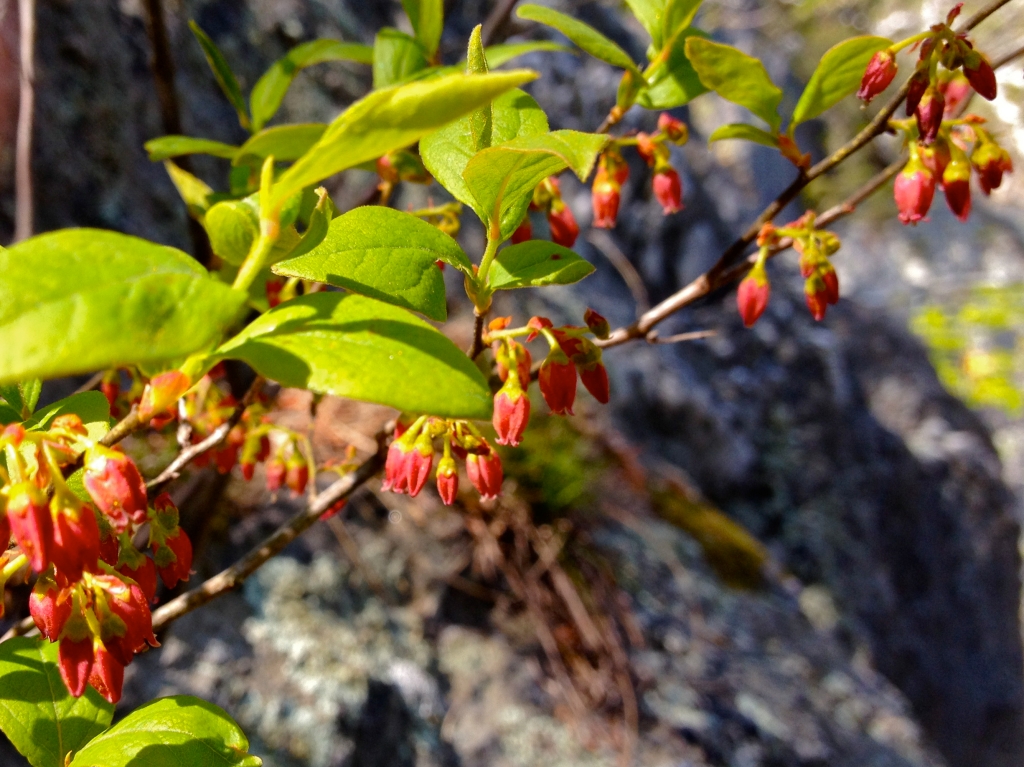
Plant Profile: Black Huckleberry (Gaylussacia baccata)
Black huckleberry is a small shrub that provides 3 seasons of interest as well as being an important for source for wildlife. In spring, urn-shaped pink or red flowers bloom, which are followed by blue-black berries and finally red and orange fall foliage. Read more
-

Plant Profile: Wild Sweet William (Phlox divaricata)
Phlox divaricata is an increasingly popular option for woodland gardens. It grows a bit taller than most other phlox species, making its blooms more noticeable. The flowers come in lovely shades of lavender, blue and even sometimes pink, and they smell sweetly fragrant. Read more
-

Plant Profile: Smooth Blackhaw (Viburnum prunifolium)
Viburnums in general are beloved by wildlife. Pollinators flock to the blooms and birds love the berries. Viburnum prunifolium is a beautiful shrub or small tree that provides 3 seasons of interest, with profuse blooms, ample berries, and bright red fall foliage. Read more
-

Plant Profile: Hairy Phlox (Phlox amoena)
While Hairy Phlox can be more difficult to find in the nursery trade, the hunt for it is well worth it. This plant is well-suited to dry and rocky areas, drought tolerant, and it puts on a beautiful show of pink or purple flowers. Read more
 Southeastern Native Plants