Category: Plant Profiles
-

Plant Profile: Purple Coneflower (Echinacea purpurea)
Purple Coneflower is undoubtedly one of the most popular and most frequently sold native plants. Purple Coneflower is drought-, heat-, humidity-, and deer-resistant and even has some tolerance to salt. It’s extremely easy to grow from seed and is a profuse bloomer, making it a great plant for beginners. Read more
-

Plant Profile: Redring Milkweed (Asclepias variegata)
The flowers of this milkweed crowd together in balls, creating a snowball effect that is especially stunning when plants are grouped in masses. This milkweed is not a preferred food source for Monarch caterpillars, but it still produces abundant nectar, making it a great pollinator-supporting plant to have in your garden. Read more
-
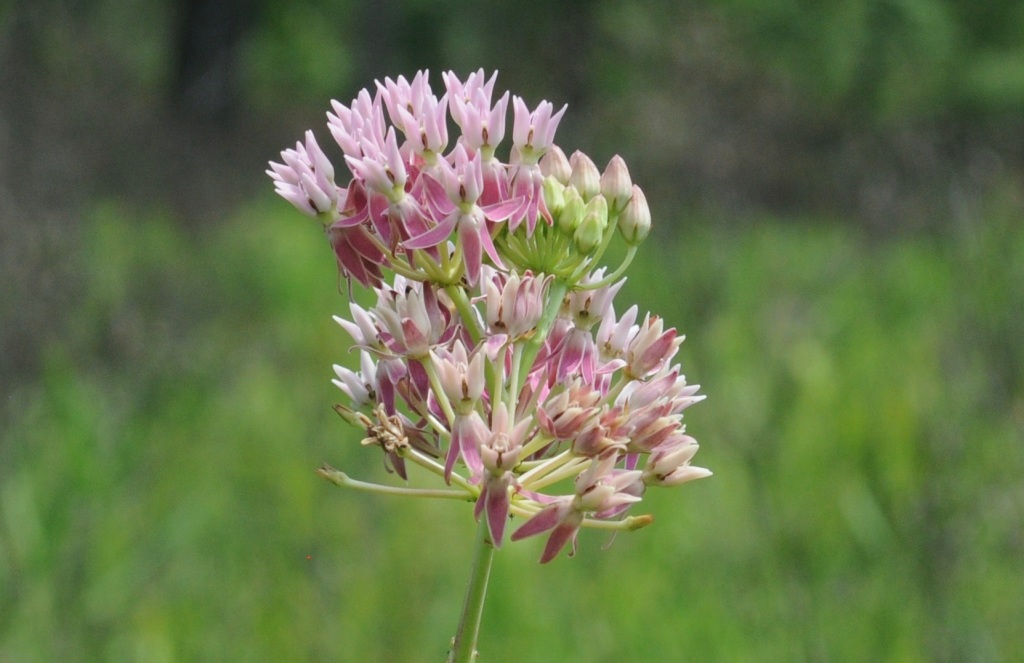
Plant Profile: Red Milkweed (Asclepias rubra)
Despite its name, Red Milkweed actually has pink blooms. It grows in swampy areas and would be a good choice for a bog garden, especially since it is not drought tolerant. This milkweed is somewhat rare in the wild and only has populations in Texas, Mississippi, Florida, and South and North Carolina. Read more
-
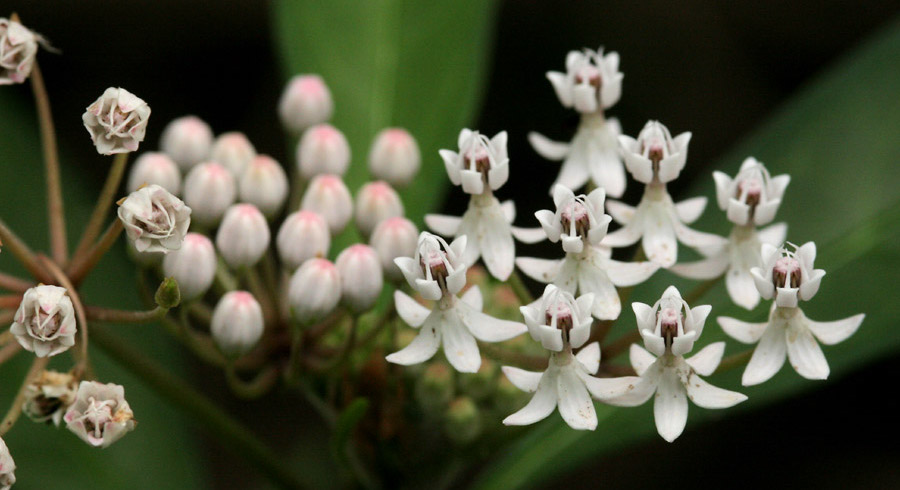
Plant Profile: White Swamp Milkweed (Asclepias perennis)
White Swamp Milkweed has winged seeds designed to float on water, which are dispersed by flooding events. It is also known as aquatic milkweed, and can survive very wet conditions, including almost complete submersion. It has a long bloom time and makes a great option for rain gardens or pond margins. Read more
-
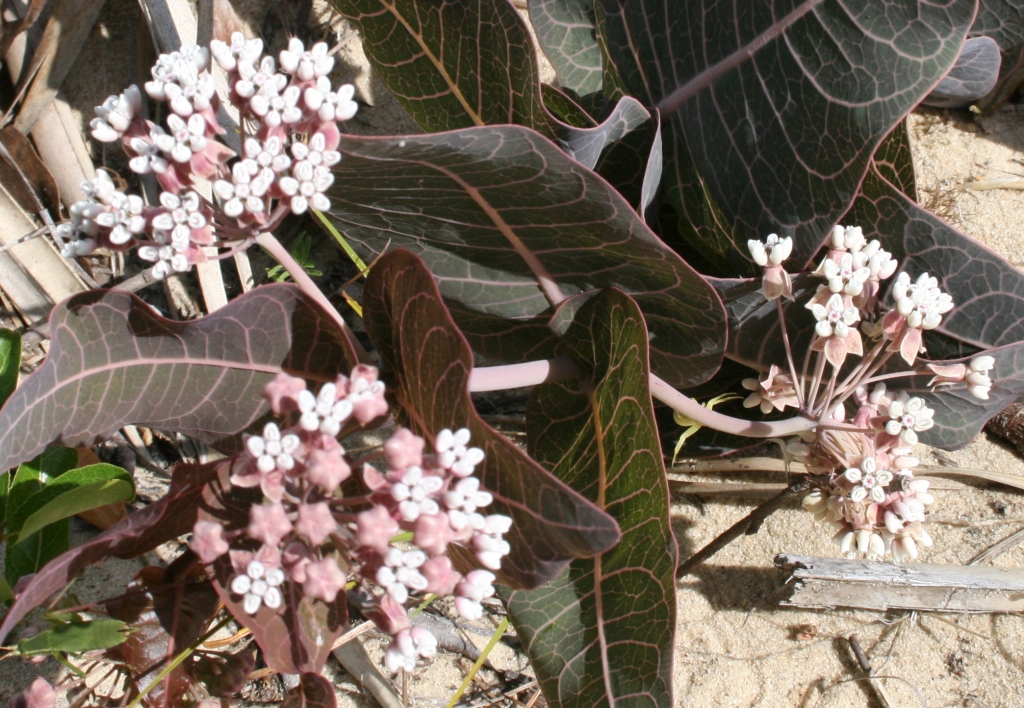
Plant Profile: Sandhill Milkweed (Asclepias humistrata)
Also known as Pinewoods Milkweed, Sandhill Milkweed is a unique species that tends to sprawl along the ground and prefers growing in sandy soils or dry pine barrens. Alongside its pretty blooms, this milkweed has interesting leaves that turn almost purple as they age and bear pink to lavender veins. Read more
-

Plant Profile: Swamp Milkweed (Asclepias incarnata)
This incredibly showy milkweed is a great choice for a rain garden due to its preference for wet conditions. It’s large pink blooms are said to have a scent similar to cinnamon and are beloved by all types of pollinators and even the occasional hummingbird. Compared to other milkweed species, Swamp Milkweed seems to be… Read more
 Southeastern Native Plants