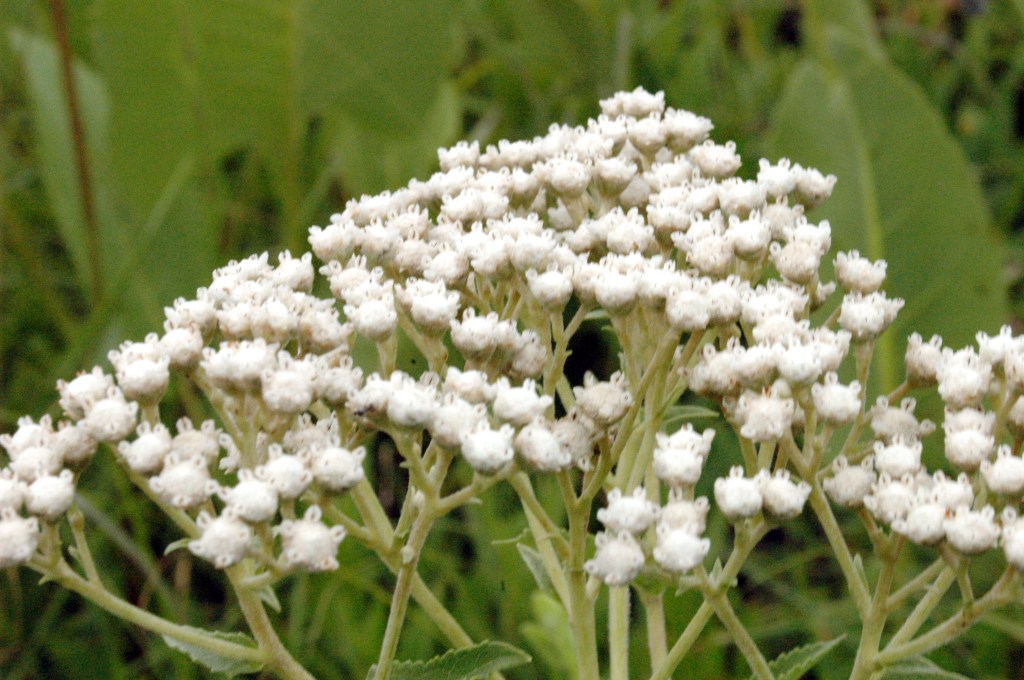
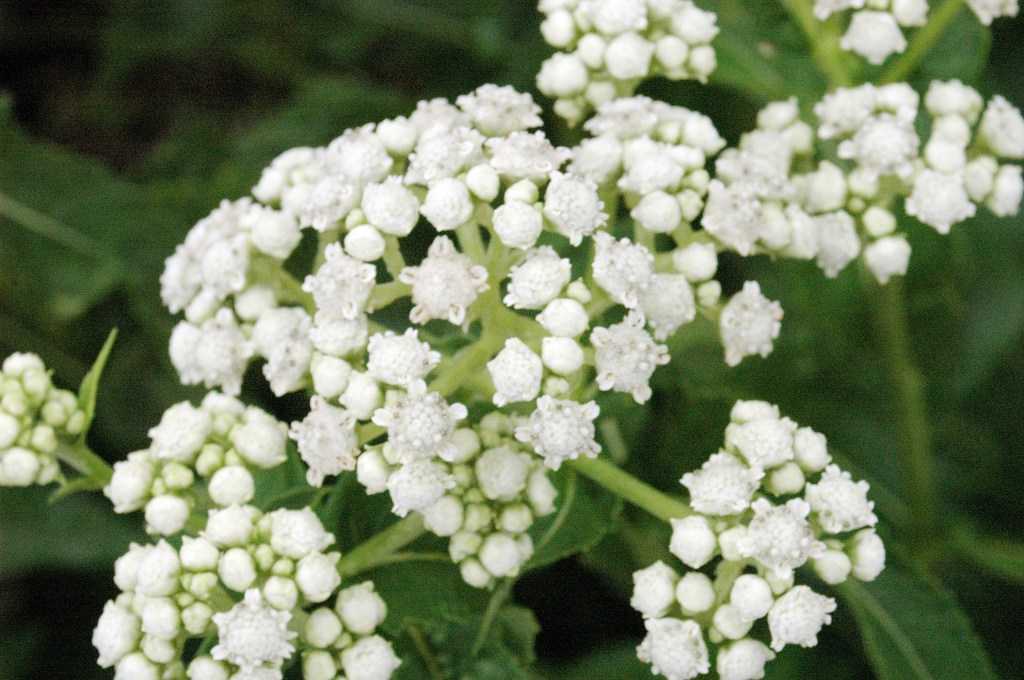
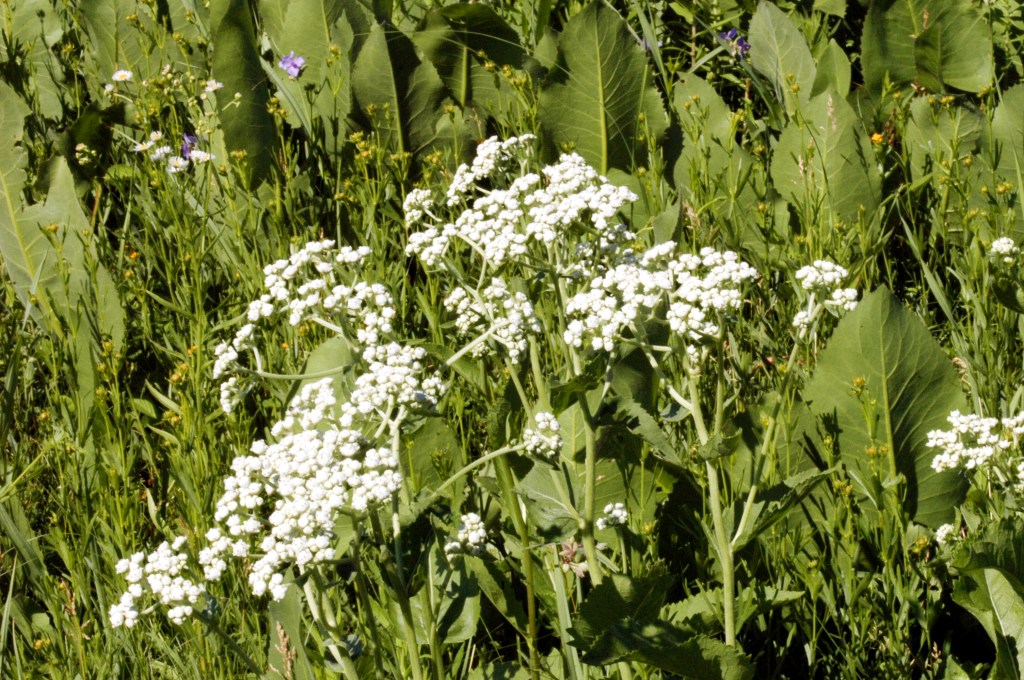
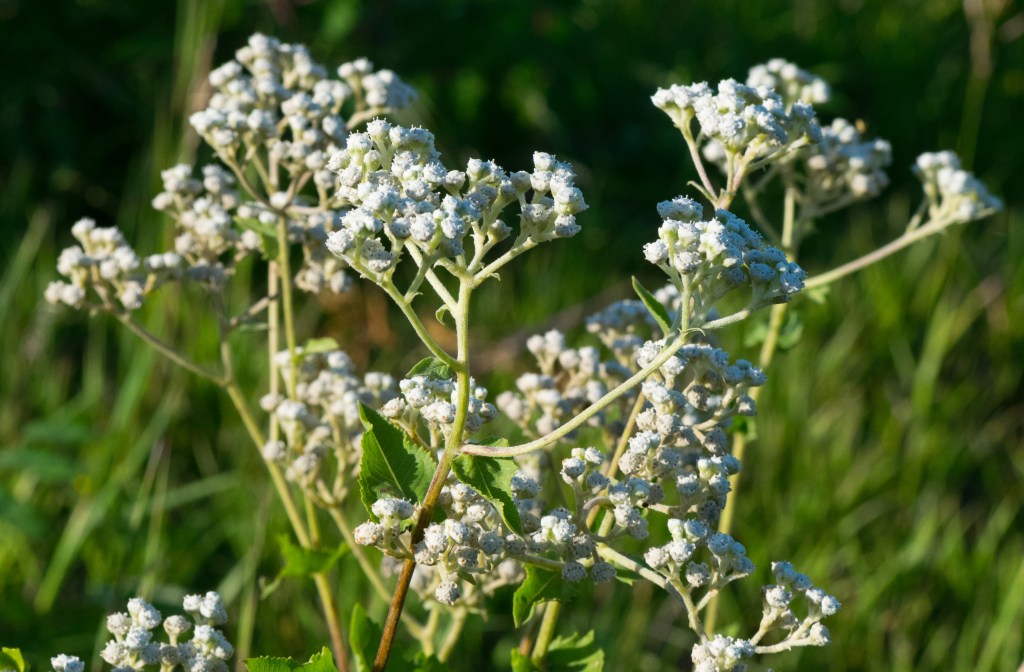
Wild Quinine gets its name from its use during World War I as a substitute source of quinine, which is used to treat malaria. It is also known as American Feverfew because its leaves have been used to make tea to help reduce fevers. This is a lovely plant for any garden due to its resistance to most diseases and insects and its long bloom period. It is drought tolerant and popular with many pollinators, especially bees.
Care requirements:
Light requirements: Full Sun
Water requirements: Low-Medium
Soil requirements: Dry-Medium, well-drained
Bloom time: June-August
Bloom color: White
Height: 2-4 feet
Width: 1-2 feet
USDA Zone: 4-8
Other notes: May bloom through September. Wild Quinine makes good cut flowers but has no noticeable scent. It has a long taproot making it drought tolerant. It looks especially stunning paired with Butterfly Weed or Purple Coneflower.
Do you have Wild Quinine growing in your garden? Do you have any tips or tricks for growing it you would like to share? Do you know of any Southeastern nurseries that regularly stock it? Let us know in the comments!

 Southeastern Native Plants
Leave a comment