This post contains Amazon Affiliate Links. When you click on a link in this post and then purchase the linked product, I receive a small commission. This helps me keep the lights on around here so I can keep spreading the word about native plants!
Amazon can be a great place to find affordable gardening supplies. It can be hard to know where to start if you are new to native plant gardening, or gardening in general, so here are 15 of my favorite Amazon products for gardeners of kinds and skill levels.
The one thing you must have if you’re growing native plants from seed are very deep pots! Part of what makes native plants more drought tolerant, better at preventing erosion, and overall more hardy than their non-native counterparts, are their deep and extensive root systems. When starting plants from seeds you want as much room as possible for these roots to grow. These seed starting pots are 5 inches deep and perfect for growing native plant seedlings.

While these seed starting trays are not very deep at all, I like to recommend them because I use them myself. The silicone bottoms make it very easy to remove seedlings without damaging their roots, and the included storage tray makes watering from the bottom a breeze (something especially important to do with seeds that must be surface sown!). The individual cells are pretty small, which also means you need less dirt to fill them. If you’re sprouting native plants, I find these work best if you transplant your seedlings into the ground as soon as possible.
The beauty of native plants is that they are usually not too picky about soil as long as the moisture requirements are met. This is a highly rated seed starting soil that would be good for sprouting most native plant seeds. If you need to amend this soil to make it drain faster, I would recommend perlite for plants you intend to eventually plant in the ground, and pumice for plants you plan to keep in containers. I use both for my container grown plants, and I overwhelmingly prefer pumice because it will not float to the top of the pot the way perlite will. However I do caution against making the soil too fast-draining. Most seeds need some level of constant moisture to germinate!
For a very long time, I did not have a yard and mainly gardened with containers and houseplants, and that entire time I did not have a hand trowel. I used regular kitchen spoons to pot my plants! I do not recommend that at all. Every gardener needs a reliable hand trowel: for potting plants in containers, for planting plants in the ground, for loosening weeds from the soil–the uses are endless!
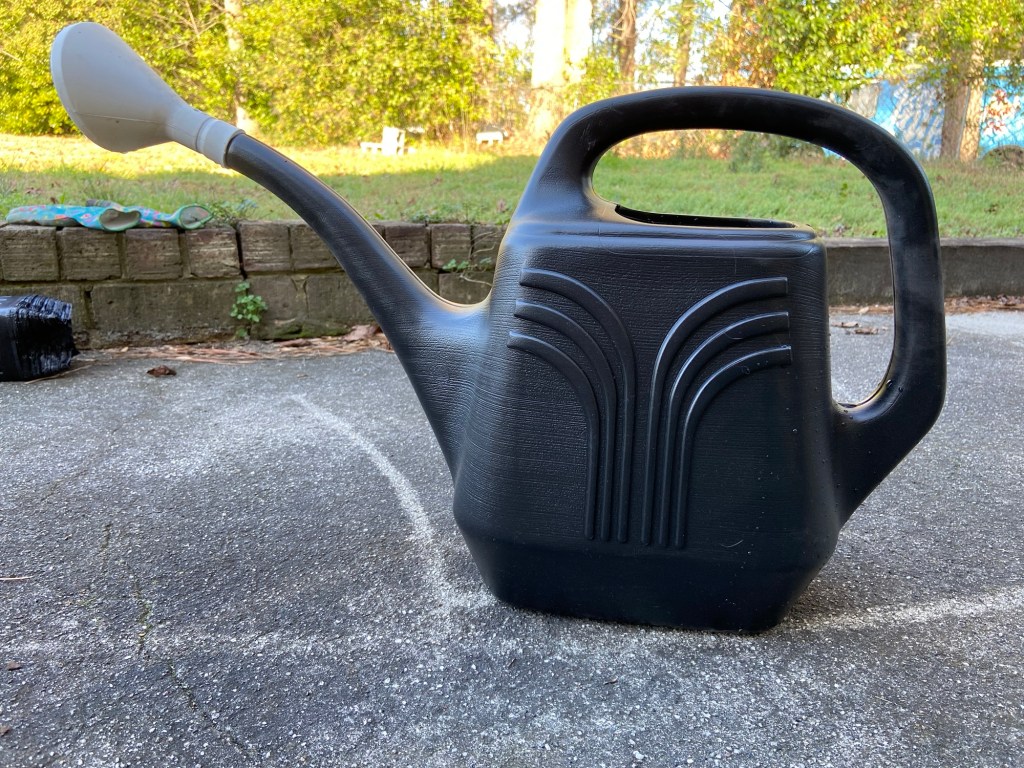
I will be blunt: I don’t believe in sprinklers. I live in a drought prone area and my county loses a lot of water every summer due to people excessively watering with sprinklers. One attraction of native plants is that they generally need much less water than non-natives and turf grass. Sprinklers in general are wasteful and I believe you are much better served by investing in a good watering can. Hoses work too but they’re a pain to drag around and a watering can is much easier to deal with in my opinion. This watering can has a removable sprinkler head so you can easily switch between a “shower” of water and direct stream like you would get from a hose, plus the opening is large which makes it easy to fill. And remember: if you do choose to use sprinklers, avoid watering between the hours of 10am – 6pm to avoid losing water to evaporation.
If you need a smaller watering can for your plants indoors, I highly recommend the viral elephant watering can. I’ve owned mine since freshman year of college; it’s been through countless moves and left outside in all types of weather and it’s still going strong! Plus I actually do get a lot of compliments on it!
Another useful tool to have regardless of whether you are container gardening or gardening in a yard is a decent pair of hand shears. They are great for light pruning of branches, leaves, and even roots! I’ve always loved the fiskars brand because they last a long time and are available at a very accessibly price point.
I bought a pair of thin gloves like this thinking they wouldn’t get used, but they’ve quickly become my preferred gloves. I spend a lot of time weeding while I wait for my flower beds to become established and I usually weed bare-handed because I need to have the dexterity to grab tiny stems and pull them out root and all, without breaking. Thin gloves like these allow me to do that while keeping my hands protected from soil. I’ve noticed these gloves are also much more dirt-proof than traditional gardening gloves that have seams along the fingers. When I would wear my old gardening gloves, my hands would get so dirty inside the gloves from soil leaking through the seams, it was as if I wasn’t wearing gloves at all. That doesn’t happen with this style of glove, plus they dry extremely quickly if they get wet. I also have small hands and most traditional gloves do not fit correctly at all, and with these gloves I’m actually able to get a pair that fit, well, like a glove.
You wonder why, after singing the praises of light gloves, that I would suggest a heavy duty pair as well. Its simple: there are a lot of plants with thorns and sharp leaves. We are in the process of a multi-year project to remove holly from our front yard because it created a driving hazard, and holly leaves are SHARP! They pierce right through most gloves. I highly recommend having a heavy duty pair of gloves, and then layering them over your light pair of gloves. This is the only way I’ve found to keep my hands safe from holly. Now, if you’re a container gardener, or someone who doesn’t need to clear brush, you can probably get by without a pair of heavy duty gloves, but for everyone else a heavy duty pair is a necessity!
If you look at my photo in the sidebar, you’ll notice I’m sitting on a piece of cinder block. It works in a pinch but it is not comfortable and it’s also not easy to move! I highly recommend investing in one of these rolling garden seats that also offer storage. It makes it so much easier to transport your light garden tools and saves your knees and your bum!
Many native plants have evolved to grow in a prairie ecosystem where stiff grasses hold them upright. If you plant these plants in your garden without native grasses alongside them, they will flop. Plus there are quite a few native plants that will flop over if grow in too much shade or in soil that is too nutrient-rich–so plant stakes should become your best friend. I like these green stakes because I feel they blend in with the plants, and I’ve found 4 feet to be the best height to accommodate a wide range of plants. I’m perfectly okay with my plants flopping as long as they can still bloom and support pollinators, but there are quite a few I’ve had to stake because they flopped over into a walkway or onto other plants, blocking the sunlight. I also use these stakes to help train climbing vines to grow where they’re supposed to. Don’t forget to buy some twine as well!
One of the biggest mistakes I made when I first started gardening was not marking where I planted my plants. As I fought against weeds and the plants died back for winter, I couldn’t find them at all. They all eventually died because I couldn’t find them to care for them! Now I make sure to label every single plant I put in the ground with a very obvious marker. This ensures I can find them to care for them and keeps me from accidentally pulling them up!
Pollinator-approved Gardening Signs
It’s true; sometimes native plants gardens can look like a bunch of weeds to an untrained eye. What better way to let your neighbors know that these plants help pollinators than with a cute garden sign? It can also be a good way to strike up conversation and help educate others who may be curious what they can do too.
After I started gardening with native plants, I realized I needed a way to monitor how much water they were getting. While native plants are generally less water intensive than non-natives, they still need regular watering when they’re first getting established. I bought this rain gauge for my yard and I like it because it’s cheap and it works. I keep mine in the ground so I didn’t have to worry about trying to mount it. And an added bonus: it comes with 2 gauges so when the first one gets broken by an edger, you have a replacement (ask me how I know)!
When my husband first told me he wanted to buy a gorilla cart, I kind of thought it was a gimmick. What’s wrong with a wheelbarrow? But wow, now that I’ve used one for the past year I can definitely say they’re so much better than a wheelbarrow. I use my gorilla cart for everything from hauling cleared brush, collecting weeds, spreading mulch, moving houseplants, and more. My journey to creating a native plant paradise in my yard has involved a lot of hard work, but having a gorilla cart definitely makes it easier!
“Nature’s Best Hope” by Doug Tallamy
Doug Tallamy and his nonprofit Homegrown National Park have been huge catalysts in helping native plants go mainstream. Any native plant gardener, whether you’re a seasoned veteran or just getting started, would do well to check out this book. Tallamy shows how we, as individuals, can make a big impact on our environment and hopefully quell the ever-growing environmental crisis by turning our own backyards into miniature ecosystems.
What do you think? Are there any essentials you think native plant gardeners need to have that I haven’t mentioned here? Let me know in the comments!

 Southeastern Native Plants
Leave a comment